Balancing Philanthropy and Compensation: The Presidents Cup’s Innovative Stipend Approach
By Staff Writer
3 min read
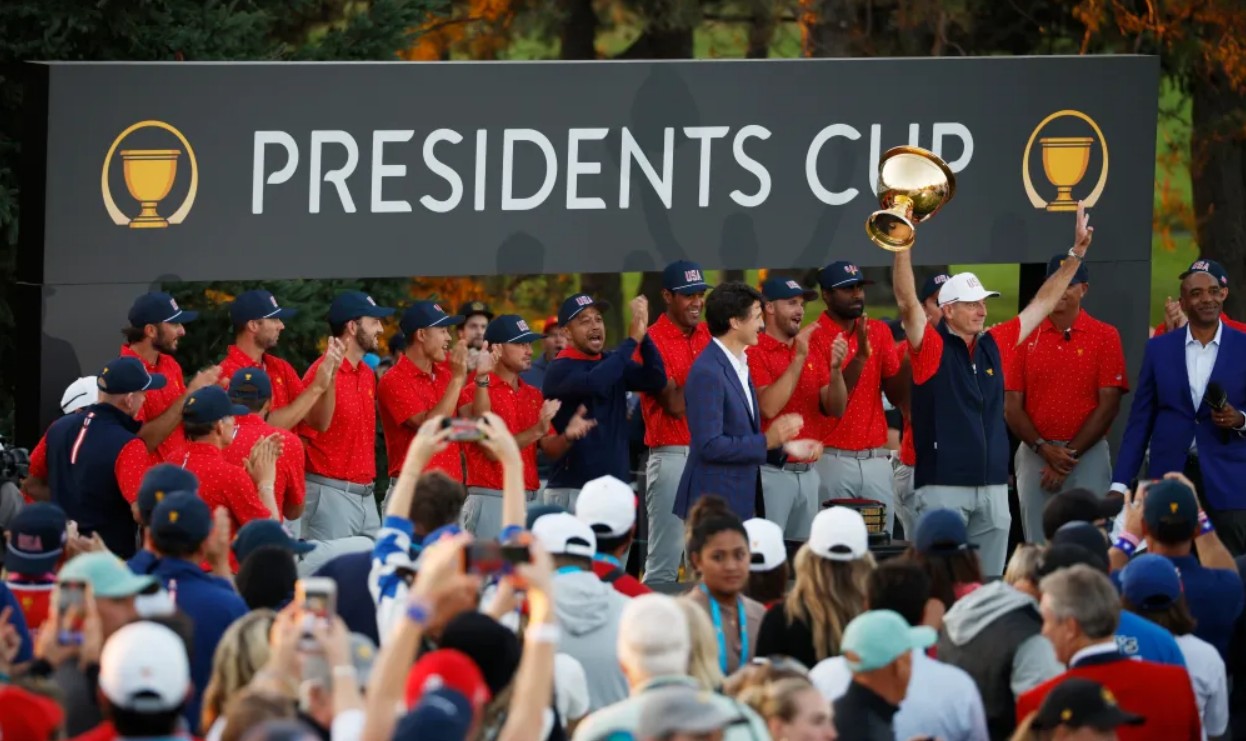
In recent years, the landscape of professional golf has witnessed substantial changes, particularly concerning player compensation and charitable contributions at leading tournaments such as the Presidents Cup and Ryder Cup. Traditionally, these events have not offered a purse, focusing instead on raising funds for charities chosen by the players. However, a transformative shift has occurred, with players now receiving a stipend, granting them the autonomy to allocate these funds at their discretion.
2022 Presidents Cup: A New Compensation Model
Last month’s Presidents Cup marked a significant departure from tradition, with each of the 24 players and nine captains receiving a stipend of $250,000. This approach is a notable shift from the past, where players directed their share of generated funds exclusively to charitable causes. The flexibility introduced in the current model allows individuals to support causes of personal significance, whether they are aligned with their foundations or other charitable interests.
The PGA Tour has announced that despite these changes, the ethos of charity at the Presidents Cup remains strong, with a guaranteed impact of at least $1 million promised to the host city or region. This adjustment in the distribution strategy aligns with evolving perspectives on charitable giving, aiming to make a lasting impact while providing players with the flexibility to pursue personal philanthropic interests.
Charitable Contributions and Their Impact
Since the inception of the Presidents Cup in 1994, the tournament has contributed a staggering $56.4 million to various charities worldwide. In 2022 alone, the event directed $2 million towards charitable causes, primarily supporting local organizations in Charlotte. This substantial philanthropic effort highlights the ongoing commitment to use the platform of golf to benefit communities and foster social good.
Market Influences and the Introduction of Stipends
The timing and introduction of stipends to players and captains raise questions about the influence of external factors, such as the emergence of competitive leagues and the need to maintain player loyalty. The increased stipend not only covers necessary expenses for players and their support teams but also offers additional funds that can be channeled into charitable actions or personal use.
The Ongoing Debate on Player Compensation
The discussion surrounding player compensation at team-centric golf events like the Presidents Cup and Ryder Cup is complex. While some argue that these events generate substantial revenue and players should therefore receive a share, others believe the spirit of representing one’s country and contributing to charity should remain the focus. The recent adjustments to compensation models indicate a shift towards recognizing the contributions and needs of players while maintaining a commitment to charitable causes.
Implications for Future Tournaments
Looking ahead, the evolution of compensation models at prestigious golf tournaments is likely to continue, particularly as economic factors and player expectations evolve. The decision to provide stipends at the Presidents Cup could set a precedent for other events, including the Ryder Cup, influencing how player contributions to charitable causes are structured and how players are compensated for their participation.
Ripple Effects in Charitable Giving and Player Engagement
Despite the shift towards offering stipends, many players remain committed to leveraging their platform for charitable efforts. Numerous participants in recent Presidents Cup and Ryder Cup events have continued to allocate significant portions of their stipends to causes important to them. This ongoing commitment underscores the deep-seated culture of giving within the golf community, demonstrating that changes in compensation structures can coexist with robust charitable efforts.
Conclusion
The integration of stipends into golf’s team events reflects broader trends in professional sports, where athlete compensation and charitable engagements are continuously evolving. As the landscape shifts, the core mission of using sport as a force for good remains intact, with players and organizers seeking new ways to balance personal interests with philanthropic commitments. The future of these adjustments will likely be shaped by ongoing discussions within the golf community, sponsor inputs, and the global economic context, ensuring that the essence of golf as a charitable sport persists.
Frequently Asked Questions (FAQs):
What is the new stipend model introduced at the Presidents Cup?
The new stipend model allows each player and captain to receive $250,000, which they can allocate to charitable causes or personal interests, marking a shift from the traditional approach of directing all earnings to charities.
How much has the Presidents Cup contributed to charity since its inception?
Since 1994, the Presidents Cup has contributed over $56.4 million to various charities worldwide, with $2 million directed to local organizations in 2022.
What impact could the stipend model have on future golf tournaments?
The stipend model may influence other tournaments, such as the Ryder Cup, by changing how players are compensated and how their contributions to charity are structured, potentially setting a new precedent in professional golf.
- economic influence on golf
- future of golf events
- golf charitable contributions
- golf charity impact
- golf compensation evolution
- golf sponsorship dynamics
- golf tournament philanthropy
- PGA Tour compensation
- player autonomy in golf
- player engagement in charity
- player stipend models
- Presidents Cup changes
- professional golf compensation trends
- Ryder Cup stipends
- sports philanthropy trends
Updated November 2, 2024
