Bringing Back the Glory: The Historic Renovation of Colonial Country Club
By Staff Writer
4 min read

Historic Colonial Country Club, nestled in Fort Worth, Texas, has recently undergone a remarkable $25 million renovation. This grand endeavor, led by renowned architects Gil Hanse and Jim Wagner, has breathed new life into the old course and restored its classic charm. The outcome is a splendid transformation that blends the club’s rich history with modern enhancements, making it an ideal venue for the prestigious Charles Schwab Challenge.
Building on Tradition
At the heart of Colonial Country Club lies a captivating legacy. Established in 1936 by the visionary John Bredemus and later supplemented by the brilliant contributions of Perry Maxwell, it became a symbol of Texas golfing excellence. The club’s founder, Marvin Leonard, laid the groundwork for its future success by pioneering the use of bentgrass greens. This momentous decision raised the bar for golfing standards in the state and set the stage for Colonial’s ascent to prominence.
A Tapestry of Legends
Over the years, Colonial Country Club has been graced by the presence of golfing legends who have left an indelible mark on the course. Icons such as Sam Snead, Arnold Palmer, Jack Nicklaus, and Tom Watson have all triumphed on these hallowed grounds, etching their names into the annals of golfing history. However, it is the native Texan and revered local hero, Ben Hogan, who has truly become synonymous with Colonial. Hogan’s remarkable record of five Colonial victories has earned the course the nickname “Hogan’s Alley,” a testament to his unparalleled mastery of its challenges.
Restoring the Glory
Throughout the years, courses age, and adjustments become necessary to maintain their allure. It was with great care and precision that Hanse and Wagner sought to strike a balance between the course’s glorious past and the demands of the present game. Their vision for the renovation was clear—make it harder for the pros, yet more accessible for the everyday golfer. Thus, they embarked on a meticulous journey to revitalize Colonial Country Club, honoring its original design while adapting it to modern sensibilities.
Par-3 Redemption
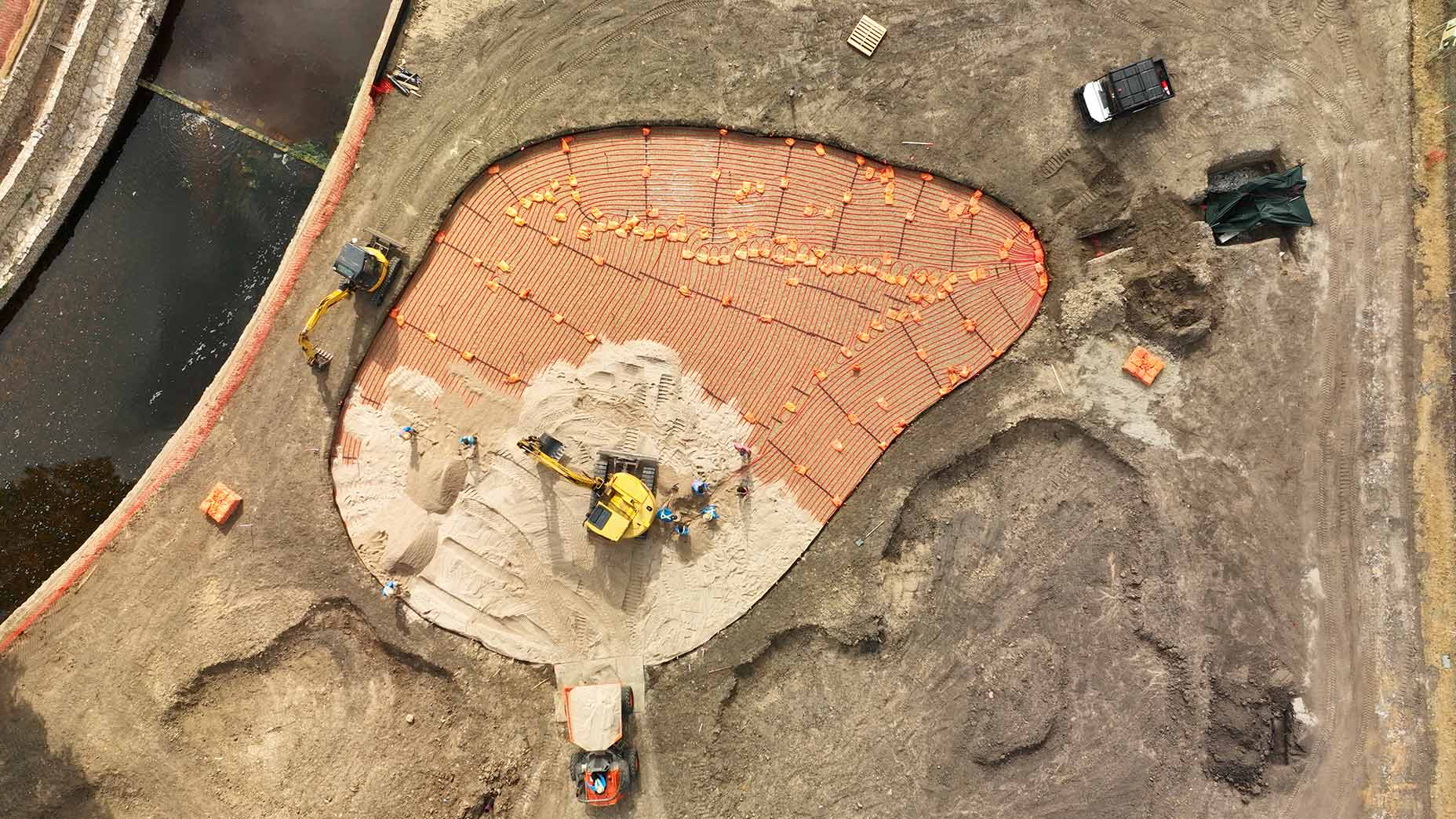

Among the notable changes at Colonial are the redesigned par-3s, which now seamlessly integrate with the course’s natural water features. Hanse and Wagner meticulously repositioned the par-3 8th green closer to the enchanting Trinity River, enhancing its aesthetic appeal and ensuring a more challenging experience for players. The par-3 13th green has also undergone a transformation, now elevated and guarded by an imposing pond. Additionally, the renovation work involved restoring the creek along the closing holes, including the par-3 16th, revitalizing what was once a dry concrete channel.
Challenging the Conventional Wisdom
Colonial’s design has long been attributed to the combined efforts of Bredemus and Maxwell; however, Hanse and Wagner’s research during the renovation revealed that history had been misinterpreted. The initial work was indeed carried out by Bredemus, with Maxwell joining later to make modifications in preparation for the 1941 U.S. Open. Maxwell’s contributions resulted in the creation of the famed “Horrible Horseshoe,” a trio of demanding holes that have become a highlight of the course. By setting the record straight, Hanse and Wagner have paid homage to the architects who shaped Colonial’s early years while ensuring its evolution into a contemporary golfing gem.
A Pro-Am Balance
As part of their endeavor to make the course appropriately challenging for professional players while still enjoyable for amateurs, Hanse and Wagner meticulously recalibrated the greens. They brought them closer to their original 1941 depths, promoting a tactical ground game and encouraging strategic shot-making. The entry points to the greens were expanded, allowing players greater flexibility in approaching each hole. Moreover, certain bunkers were modified or removed, striking a balance between difficulty and enjoyment for golfers of all skill levels.
A New Era of Possibilities
The early feedback from both professionals and amateurs alike has been overwhelmingly positive. Esteemed golfers such as Adam Scott, winner of the 2014 Colonial tournament, have commended the subtle yet impactful changes made by Hanse and Wagner. Jordan Spieth, the 2016 Colonial champion, applauded the renovation for combining elements of familiarity and novelty, making for a captivating golfing experience. The transformation has breathed new life into Colonial Country Club, preserving its heritage while embracing a future filled with excitement and possibility.
Frequently Asked Questions
Who were the architects behind the renovation of Colonial Country Club?
The renovation was led by Gil Hanse and Jim Wagner, distinguished architects renowned for their expertise in preserving the legacy of beloved golf courses.
What makes Colonial Country Club historically significant?
Colonial holds a special place in golf history as the host of the longest-running non-major Tour stop. It has welcomed legendary golfers and witnessed unforgettable moments since its establishment in 1936.
Has the renovation of Colonial Country Club affected the difficulty of the course?
The renovation sought to strike a balance between challenging professional golfers and providing an enjoyable experience for amateurs. Hanse and Wagner’s modifications have crafted a course that ensures a fair test of skill for players of all levels.
What is the expected playing condition of Colonial Country Club?
Colonial is anticipated to play “firm and fast” due to the re-grassing of the entire course, including the meticulously maintained greens. These greens are notable for their uniformity and subtlety, presenting an intriguing challenge for golfers as they read the breaks.
Will the renovation impact the winning score at the Charles Schwab Challenge?
While it is challenging to predict the exact winning score, Colonial’s reputation and the changes made during the renovation suggest that the tournament will showcase the enduring spirit of competition on one of the most esteemed and demanding courses on the PGA Tour.
With its historical renovation complete, Colonial Country Club stands poised to reclaim its position as one of the golfing world’s most cherished venues. The melding of tradition and innovation has rejuvenated this revered course, offering players a unique journey through time. As the world eagerly awaits the Charles Schwab Challenge, Colonial’s rich history and renewed splendor are certain to captivate golf enthusiasts and players alike.
Updated May 25, 2024