Fairways vs. Greens: Understanding the Different Winter Maintenance Needs for Golf Courses
By Staff Writer
3 min read
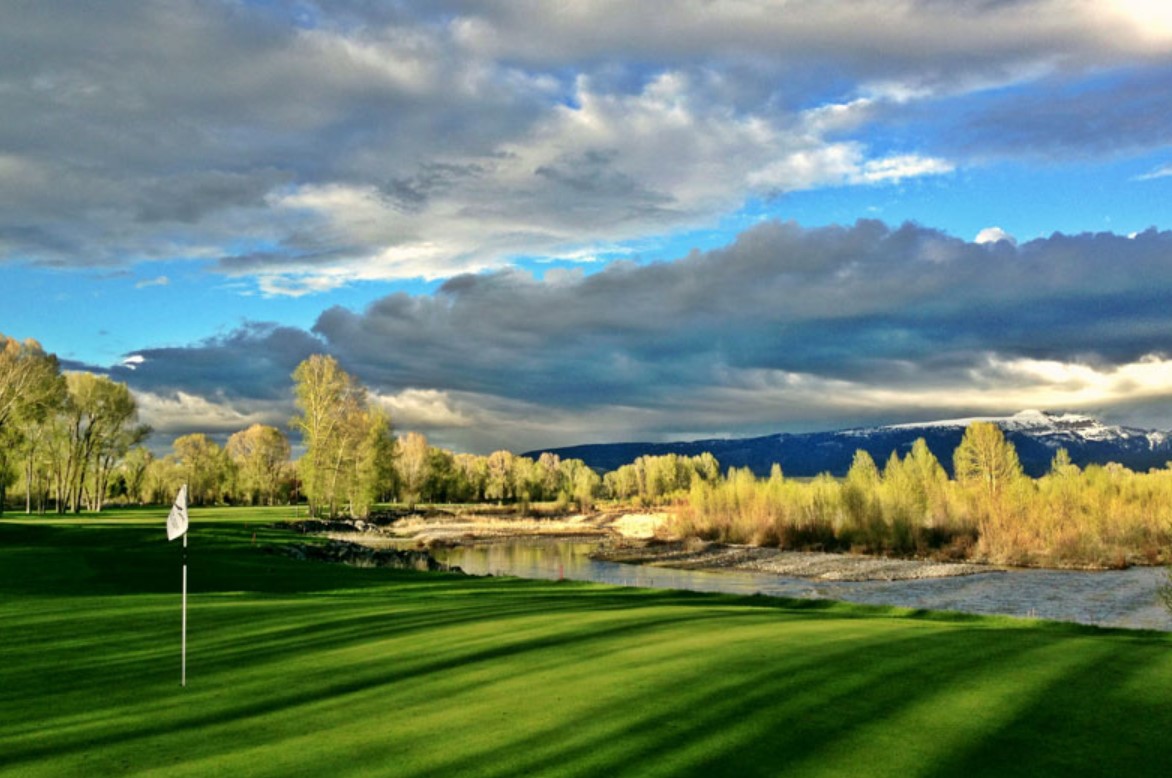
In cold and snowy winters, the shortest grass on golf courses is the most vulnerable. As golf course maintenance teams know, it is crucial to employ effective strategies to ensure the survival of turf during these challenging seasons. We spoke to Terrance DiLoreto, the director of grounds at Crag Burn Golf Club in upstate New York, to learn more about the meticulous process of caring for greens through brutal winters.
The Role of Winter Shielding
At Crag Burn Golf Club, a popular golf course eight miles from Highmark Stadium, where the Buffalo Bills play, the crew takes extensive measures to protect greens during the winter. DiLoreto encapsulates the greens with a layer of sand, shielding them from harsh weather conditions. This sand layer acts as insulation against cold temperatures and potential damage caused by freezing and thawing cycles. With the help of this protection, the turf can remain healthy until the arrival of spring.
The Importance of Snow and Steady Temperatures
Contrary to popular belief, snow can be beneficial for turf. DiLoreto explains that snow acts as a natural insulator, preventing the grass from succumbing to the extreme cold. However, consistent temperatures are vital to maintaining the health of the turf. A sudden rise or fall in temperature can cause issues such as suffocation, snow mold, and other turf problems. Therefore, after applying fungicides and plant protectants to the greens, the maintenance crew at Crag Burn Golf Club relies on snow and stable temperatures to safeguard the grass.
The Role of Tarps
Tarps play a vital role in protecting greens during the winter. By covering the greens, the tarps create a greenhouse effect, raising the temperature beneath them by 10 to 20 degrees. This elevated temperature shields the crown of the grass from potentially fatal cold. However, tarps also pose some challenges. If temperatures rise, the tarps must be removed to allow the grass to breathe. This process requires significant time and labor. Additionally, the cover created by tarps can spur unwanted growth and issues, making it preferable for the grass to go dormant and harden off naturally.
The Benefits of Topdressing
Topdressing, a practice commonly used during the playing season, proves useful even during the off-season. As winter approaches, the crew at Crag Burn Golf Club applies a generous layer of sand to the greens. This technique creates a Goldilocks effect, protecting the crown of the grass while allowing the blades to peek through and breathe. Moreover, topdressing with sand enhances the profile and adds more sand to the greens, serving a dual purpose. In extremely cold conditions, black-tinted sand, attracting more sunlight, may be employed for additional protection. Some superintendents also distribute sunflower seeds or black rubber pellets on other sports fields for a similar purpose, but this isn’t necessary for fairways and rough on golf courses.
Frequently Asked Questions
How do golf courses protect their greens during harsh winters?
Golf courses employ various techniques such as sand shielding, tarps, and topdressing with sand to protect their greens during brutal winters.
What is the role of snow in maintaining turf during winter months?
Snow acts as a natural insulator, preventing the grass from being damaged by extremely cold temperatures. However, consistent temperatures are crucial for long-term turf health.
How do tarps benefit greens during winter?
Tarps create a greenhouse effect, raising temperatures under the cover and protecting the crown of the grass from potentially fatal cold. However, they also require careful management to prevent unwanted growth and other issues.
What is topdressing, and how does it help during winter?
Topdressing involves applying a layer of sand to the greens, which shields the crown of the grass while allowing the blades to breathe. Additionally, topdressing with sand enhances the sand profile and provides extra protection during cold weather.
Do fairways and rough require the same level of protection as greens?
Fairways and rough typically have longer grass that can withstand winter conditions without the need for extensive protection like greens. Consequently, golf courses focus their efforts primarily on shielding greens.