From Amateur to Pro: How Tiger Woods Changed the Game of Golf
By Staff Writer
4 min read
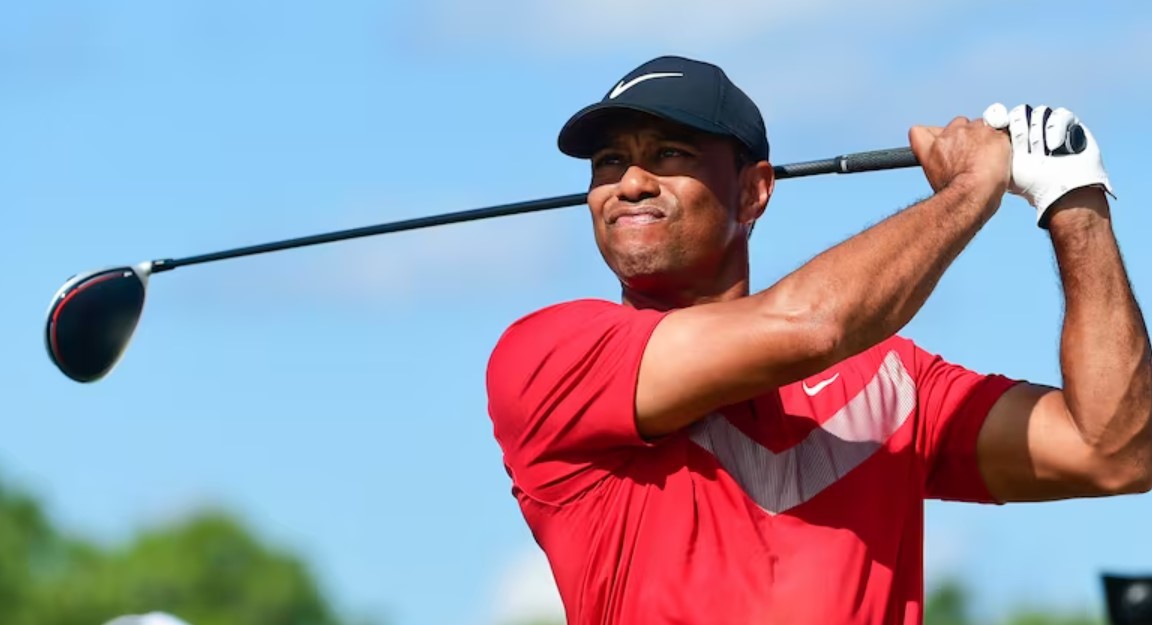
It was an orchestrated line, part of a Nike campaign designed to coincide with the professional debut of 20-year-old Tiger Woods. On August 28, 1996, one day before the start of the Greater Milwaukee Open (GMO), Woods opened his press conference with those now famous words, “I guess, hello world, huh?”
This simple phrase marked the beginning of a legendary career that would revolutionize the game of golf. Nike wasted no time in launching their “Hello World” ad campaign, which included a three-page spread in the Wall Street Journal and multiple televised advertisements. In fact, Nike replaced all of its previous national television ads with the Woods spot, airing it 28 times during the first-round coverage of the GMO on ESPN.
Unlike some later iconic press conferences, Woods’ introduction to the professional golf world felt neither forced nor contrived. His delivery exuded earnestness and charm, overshadowing even the likes of LeBron James’ “I’m going to take my talents to South Beach” moment 14 years later. It was a pivotal moment, not just for Woods personally, but also for the sport as a whole.
The Birth of a Legend
Brown Deer Park Golf Course in northern Milwaukee County provided the surprise setting for this historic event. On that fateful day of August 28, 1996, Woods stepped onto the course, ready to embark on a journey that would forever change the face of golf. The turnout was estimated at 150,000 spectators, the highest in the event’s history. It was truly the dawn of a new era.
Despite finishing in 60th place, Woods captivated the audience and left winner Loren Roberts as a mere afterthought. Madison native Jerry Kelly had a strong showing, but it was Edgerton’s Steve Stricker who came closest to the leaders, falling just one stroke short. Woods’ performance may not have been remarkable in terms of placement, but the impact he made was undeniable.
In the lead-up to the GMO, rumors circulated that Woods was seriously considering turning pro. However, it wasn’t until the week of the event that confirmation began to circulate. The prevailing sentiment was that if Woods won the GMO or the Quad City Classic two weeks later, he could potentially make the leap to the professional ranks. As Woods won his third straight U.S. Amateur Title in Oregon just before the GMO, the possibility became stronger, and reports from prestigious publications like the New York Times and Los Angeles Times fueled the anticipation.
The Overnight Millionaire
Woods finished the GMO at 7-under 277, earning $2,544 in prize money. However, this was just the beginning of his financial success. Sponsors like Nike and Titleist had already lined up lucrative endorsement deals for the young golfer, estimated to be around $40-60 million. This was an unprecedented amount for the golfing world at the time. Woods went on to win numerous accolades, including _Sports Illustrated_ Sportsman of the Year and PGA Tour Rookie of the Year in 1996. His career flourished, accumulating 82 PGA Tour wins (tied for the most all time) and 15 major victories (second only to Jack Nicklaus). He also claimed the title of 11-time PGA Tour Player of the Year.
This early period in Woods’ career set the stage for his future dominance in the sport. His incredible talent and impressive achievements made him a superstar in the making. Even at a young age, he had already demonstrated remarkable skill, winning the U.S. Junior Amateur Championship at 15, followed by the U.S. Amateur Championship at 18. Competing in the 1995 Masters at the age of 19 further solidified his position as a prodigious talent.
While some questioned Woods’ decision to turn professional, GMO executive director Tom Strong recognized his potential and offered him an exemption. Strong had tried to secure Woods with a sponsor’s exemption the previous year, but his efforts went unanswered. He saw Woods as more than a shot in the dark; he saw a future star who would make a significant impact on the Tour. Woods’ decision to go pro wasn’t about money; it was about his happiness and the right timing. He knew his golf game was strong enough, and he was ready for this new chapter in his life.
During his final round at the GMO, Woods delivered an incredible hole-in-one on the 14th hole, showcasing his exceptional skill and generating even more excitement among the spectators. This unforgettable moment served as a testament to his talent and offered a glimpse into the incredible career that lay ahead.
Conclusion
The Greater Milwaukee Open in 1996 marked the beginning of Tiger Woods’ professional journey. With Nike’s “Hello World” ad campaign as a backdrop, Woods unveiled his star power, captivating audiences with his skill, charisma, and ambition. The event itself may not have been a victory for Woods on the leaderboard, but it was a resounding triumph in terms of its impact on the golfing world. This was the start of a career that would redefine the sport and establish Woods as one of the greatest athletes of all time.