Uncover the Benefits of the Water Technique for Repairing Ball Marks on the Green
By Staff Writer
2 min read

When it comes to fixing ball marks on the green, most golfers rely on the traditional methods of using a tee or a divot-repair tool. However, did you know that there’s another technique that is gaining popularity? This method, pioneered by a prestigious private club, offers a unique approach that superintendents and golfers alike are starting to explore.
The Unconventional Approach
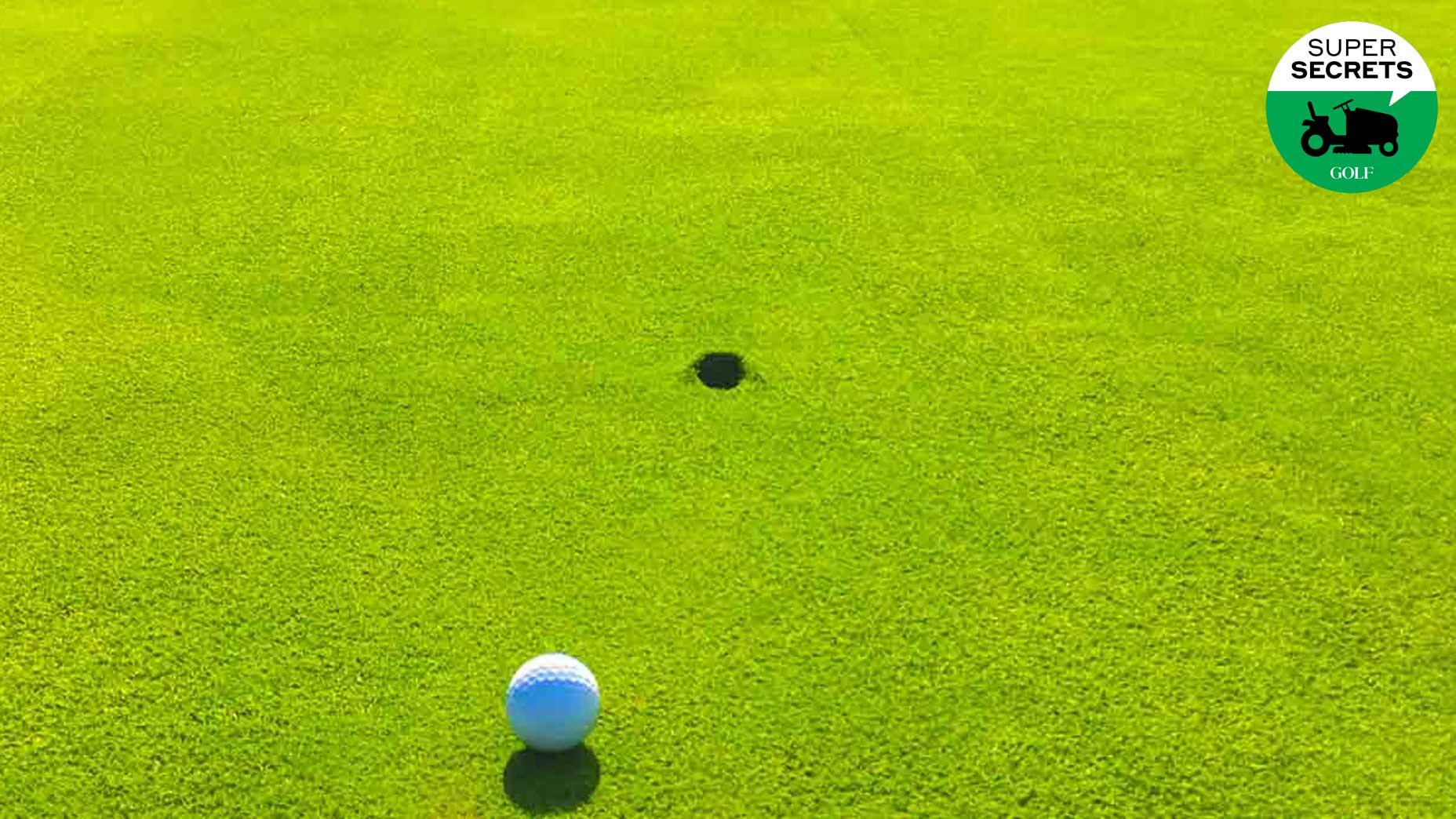
At Friar’s Head, a renowned private club located on Long Island, a different ball-mark repair technique is practiced. Unlike the traditional method of probing the turf with a tee or repair tool, the caddies at Friar’s Head pour water into the divot and tamp down the edges by hand or with a putter. This technique is less intrusive and minimizes the risk of damaging the roots of the turf, allowing for faster healing of the green’s surface.
Mark Patterson, the superintendent at Legacy Golf Club and Serenoa Golf Club in Florida, was intrigued by this unconventional approach. As a seasoned professional with nearly 30 years of experience, Patterson is always eager to learn and explore new techniques in course maintenance. He recognized the potential benefits of the water method and decided to give it a try.
“I can definitely see the upsides,” Patterson remarked. “It’s a less obtrusive way to smooth out the green and promote healing. It may be particularly appealing for upscale clubs with limited play.”
The Pros and Cons
While the water technique shows promise, Patterson acknowledges that its practicality may be limited for busy public courses. Carrying around enough water to execute this method could be quite cumbersome for the average golfer. Nonetheless, he was pleasantly surprised by the positive results achieved using this unconventional approach.
Golf is a game of constant learning and improvement. Whether it’s an innovative ball-mark repair technique or a new swing technique, golfers and course-maintenance professionals are always seeking ways to enhance their skills and elevate the beauty of the game.
Frequently Asked Questions (FAQs):
Why is repairing ball marks on the green important?
Repairing ball marks is essential to maintain the integrity and playability of the green. Unrepaired ball marks can disrupt the smoothness of the putting surface and affect the ball’s roll.
How do traditional methods like using a tee or divot-repair tool compare to the water technique?
Traditional methods are effective in repairing ball marks. However, the water technique offers a less intrusive approach that minimizes the risk of damaging the turf’s roots, promoting faster healing of the green.
Can the water technique be adopted by public courses?
While the water technique shows promise, its practicality may be limited for busy public courses. Carrying adequate water for this method might not be feasible for most golfers.
Are there any other unconventional ball-mark repair techniques?
Yes, there are various unconventional techniques used by different golfers and superintendents. Some golfers prefer using their putter to carefully smooth out the ball mark, while others utilize specialized tools designed specifically for repairing divots.
- ball marks
- ball's roll
- beauty
- busy
- Course Maintenance
- damage
- damaged
- Divot-repair tool
- divots
- effectively
- effectiveness
- elevate
- explore
- faster healing
- feasible
- Florida
- frequently asked questions
- Friar's Head
- game
- Golf
- golfers
- Green
- Innovative
- integrity
Updated May 6, 2024


