From Concept to Masterpiece: The Evolution of TPC Sawgrass’s Iconic 17th Hole
By Staff Writer
4 min read
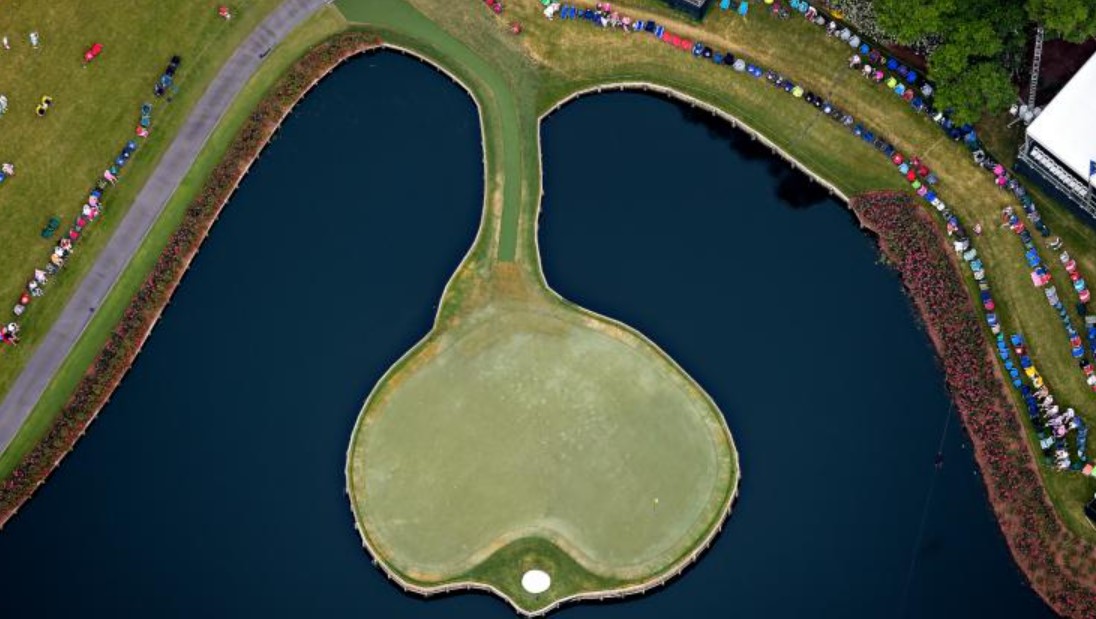
From conception to construction, golf holes evolve. Architects meticulously revise their designs on the drawing board, and once the building begins, they often make modifications to create the perfect masterpiece. The par-3 17th hole at TPC Sawgrass, famously known as the “Island Green,” is a prime example of this evolution and transformation over time. In the 44 years since its original design by Pete and Alice Dye, this iconic hole has undergone both subtle and significant changes that have shaped its current form and allure.
The Birth of an Island
Originally, Pete Dye’s design featured water to the right of the green, but it was Alice Dye who suggested turning it into an island during the earth-moving phase of construction. Taking her advice to heart, the Dyes transformed the 17th hole into a remarkable and challenging island green that has captivated golfers and spectators alike.
Aesthetic Enhancements for Spectator Enjoyment
As the tournament at TPC Sawgrass gained popularity, the visual appeal of the course became a priority. The once rustic and sandy look around the edges of the green gave way to meticulously crafted grassy mounds and grandstands. This evolution not only enhanced the overall visual experience for spectators but also contributed to the electrifying atmosphere that surrounds the 17th hole.
Refining Aerial Perspectives
Over the years, the aerial views of the 17th hole have displayed subtle changes in the appearance of the putting surface. However, these changes have not been due to alterations in the green itself but rather to modifications in mowing patterns. The collar surrounding the green has been narrowed since 2016, allowing for an expanded putting surface and more hole locations. This adjustment not only caters to year-round daily play but also intensifies the challenge and drama during tournament play.
The Transition to Natural Grass
Previously, the footpath leading to the green was covered in synthetic turf, and at one point, a section of it even featured exposed concrete. However, in 2016, Jeff Plotts, the director of golf course maintenance at TPC Sawgrass, advocated for a switch to natural grass. Since then, the walkway has been adorned with a carpet of lush green turf, providing a more visually pleasing and authentic experience. Additionally, the angle of the walkway was altered to offer better views for spectators in the hospitality tents, ensuring an unforgettable vantage point as players approach the putting surface.
Protecting the Turf: The Carman Bridge
The natural grass walkway onto the green faces considerable wear and tear throughout the year, especially during the tournament season. To safeguard the turf, a cantilevered footbridge, known as the Carman Bridge, was introduced. Proposed by Steve Carman, a respected PGA Tour rules official, this bridge serves as an alternate path onto the green, alleviating traffic on the grass walkway. Plotts and his dedicated team strategically rotate the entry points onto the green, ensuring optimal condition for the entire surface.
Modifications for Optimal Play
The undulating nature of the putting surface on the 17th hole has always posed a challenge for players. However, subtle adjustments have been made along the way to accommodate modern green speeds and provide additional hole locations. The ridges and contours on the green were slightly softened in 2007, creating a more suitable playing surface for today’s game. It also allows for cups to be placed in locations that were previously deemed too steep.
A Unique Perspective from the Pot Bunker
Observing televised broadcasts of the Players Championship, eagle-eyed viewers may have noticed a TV camera positioned within the hole’s lone pot bunker. This addition provides a captivating perspective on shots played from the sand. While the exact date of its inclusion remains a mystery even to industry insiders, it has undoubtedly been a fixture for many years, contributing to the immersive viewing experience for fans worldwide.
Frequently Asked Questions (FAQs):
Who initially proposed turning the 17th hole into an island green?
Alice Dye, wife of architect Pete Dye, suggested the transformation during the construction phase.
What changes were made to enhance spectator experience?
The rustic, sandy edges were replaced with grassy mounds and grandstands, creating a stadium-like setting ideal for viewing.
How have mowing patterns influenced the putting surface?
The collar around the green has been narrowed since 2016, expanding the putting surface and increasing the number of potential hole locations.
Why was the walkway leading to the green switched to natural grass?
The change to natural grass provided a more aesthetically pleasing experience. It also endured wear and tear better throughout the year.
How is the turf protected during tournaments?
A cantilevered footbridge, known as the Carman Bridge, offers an alternate path onto the green, sparing the grass walkway from excessive foot traffic and ensuring prime conditions for the players.
How have the contours of the putting surface changed?
Subtle adjustments were made in 2007 to soften some of the ridges and contours, allowing for a better fit with modern green speeds and additional hole locations.
When was the TV camera added to the pot bunker?
The exact date remains unknown, but it has been a feature for many years, providing unique perspectives on shots played from the sand.
- Golf hole evolution
- TPC Sawgrass
Updated March 15, 2024


