Full-Swing Flaw Could Be the Fix for Your Putting Stroke
By Staff Writer
1 min read

LoopGolf
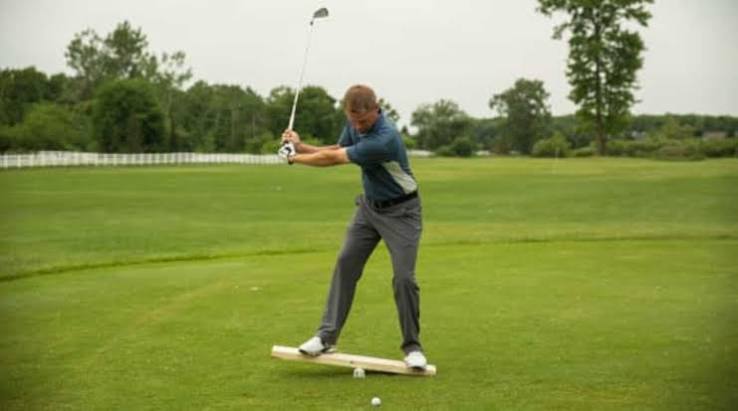
The shape of a golfer's full swing may say more about their putting stroke than any specific putting drill, according to teaching professionals. Golfers who fight a hook with the driver tend to become strong putters, while players known for a "trap cut" ball flight often struggle to convert on the greens.
Why does a hooking motion help on the greens?
A hook starts with a closing clubface and produces extra topspin, which helps a rolling ball hold its line and get to the hole. Teaching pros say the same idea applies to putting: a stroke with a slight hook tendency starts the ball rolling true, while one that leaves the face open at impact does not.
How can golfers create that feeling on the green?
The fix is not closing the putter face outright. Instructors recommend feeling as though the shaft is twisting through impact while the thumbs stay pointed backward during forearm rotation. Done correctly, the putter path feels slightly in-to-out for a right-handed golfer, and the face stays square rather than opening.
The more common miss, instructors say, is "shoving" the hands forward through the stroke, which tends to leave the putter face open at impact. An open face produces a push or a weak strike, hurting distance control as much as the start line.
What does it do for distance control?
Better contact from a square face, rather than an open one, is what improves distance control on longer putts, according to teaching pros. The feeling takes repetition to build, but instructors say golfers who commit to it see straighter start lines and more predictable speed.
- putting stroke
- full swing
- golf instruction
- hook shot
- forearm rotation
- distance control
- putting mechanics