3 Low-Point Fixes to Clean Up Your Ball Striking
By Staff Writer
2 min read

LoopGolf
Impact is the most important moment in the golf swing, but PGA Pro and Top 50 Coach James Jankowski says most amateurs never think about what their swing's low point is actually doing to their contact. Here are the three low-point lessons he teaches most often.
Fairway woods need a descending strike, not a sweep
The fault: many golfers try to sweep a fairway wood away the same way they sweep a driver off a tee. But the driver and putter are the only clubs meant to be hit on the upswing — a fairway wood needs a slightly descending angle of attack, with the wide, flat sole gliding through the turf just after impact rather than digging into it.
The fix: move the ball back about an inch in the stance and feel the club brushing the grass immediately after striking it, almost as if a second ball sat just ahead of the real one.
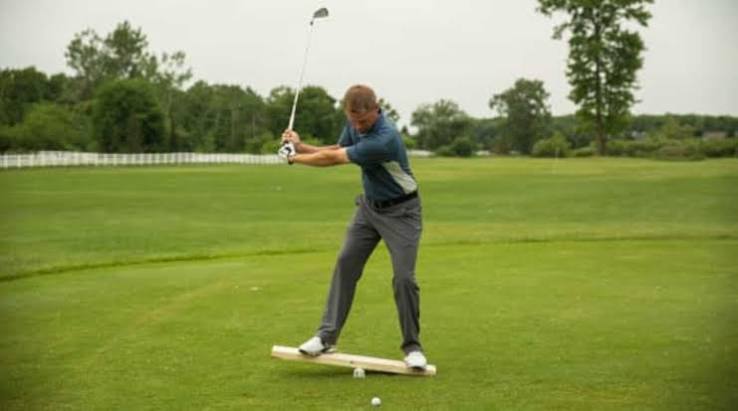
Topping the ball is a low-point problem
The fault: a clean strike requires the swing's low point to fall after the ball. When it arrives too early, the club is already rising at impact and the leading edge catches the ball's equator — the classic top. Jankowski says the usual cause is an instinct to scoop and help the ball into the air, which leans the body back and flips the low point behind the ball instead of in front of it.
The fix: keep the hands ahead of the ball at impact. That forward shaft lean is what pushes the low point forward again.
A top isn't a swing flaw so much as a low-point flaw — the club is already rising when it should still be descending.
The drill: push a tee fully into the ground where the “second ball” sat in the fairway-wood tip, then practice striking the tee after the real ball while keeping the hands leading and the loft doing the lifting.
How does this apply to pitch shots?
Jankowski ties the same principle to pitching. Start with a neutral setup and straight arms, then make a small lateral shift toward the target in transition, which moves the low point forward while the clubhead lags behind the hands to keep the arms long through impact. As the club and arms catch back up to the body, the legs should rise slightly to lift the handle just enough that the club doesn't bury itself in the turf — syncing the club, arms and body through the strike.
- ball striking
- low point
- james jankowski
- golf instruction
- fairway woods
- pitching