Teeing the Ball Higher Added 12 Yards in Driving Distance Study
By Staff Writer
3 min read
LoopGolf
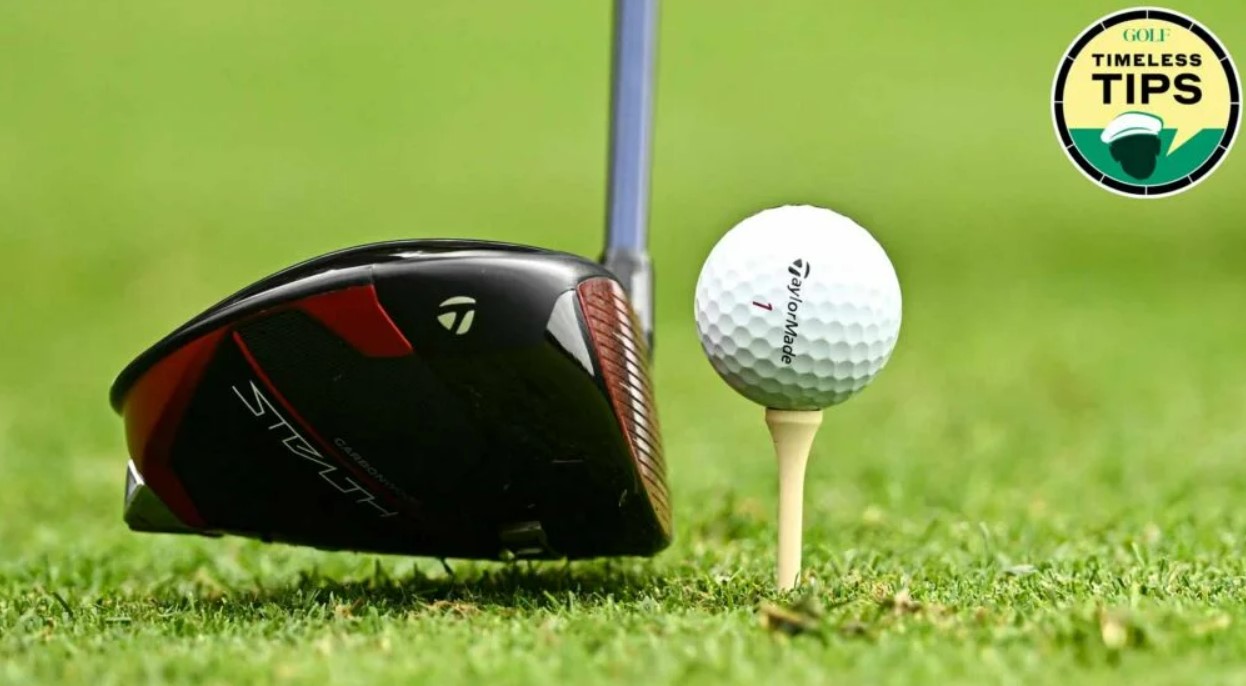
A study published in GOLF Magazine's June 2006 issue found that teeing the ball higher for driver shots added an average of 12 yards of carry distance compared with a low tee height, with high-handicap golfers gaining the most. The test was designed by GOLF Top 100 Teacher Eric Alpenfels and Bob Christian, Ph.D., dean emeritus of the School of Health and Human Performance at the University of North Carolina-Greensboro.
How was the tee height study conducted?
Researchers recruited 27 golfers, aged 25 to 71, with handicaps ranging from scratch to 29. Most, 25 of the 27, normally played a mid tee height; two preferred a high tee height going in. The group was split into three sets of nine by handicap level: 0-9, 10-19 and 20 and above.
Each golfer hit 10 drives at each of three tee heights, with the order of heights varied across groups to prevent fatigue or motivation from skewing results. Only the best five of each golfer's 10 drives at a given height counted toward the data. A launch monitor recorded carry distance, clubhead speed, launch angle, ball speed and spin.
What are the three tee heights tested?
| Tee height | Ball position |
|---|---|
| Low | Top edge of ball even with top edge of driver; entire ball below the crown |
| Mid | Half the ball above the crown |
| High | Bottom edge of ball slightly above the clubface's top edge; entire ball above the crown |
What did the results show?
Across all three handicap groups, carry distance with mid and high tee heights was significantly longer than with the low setting. High produced the longest carry overall, averaging 12 more yards than low. The extra distance traced to a higher launch angle and less spin at impact.
The extra distance came from a higher launch angle and reduced spin, a byproduct of tee height rather than a swing change.
High-handicappers in the 20-and-above group benefited most, picking up an average of 18 yards of carry with the high tee height versus the low one. The distance gains did not cost golfers accuracy. Using a scoring system that tracked whether drives landed in a 33-yard-wide fairway, a 17-yard-wide strip of rough on either side, or beyond that, researchers found fairway-hit rates held up at the mid and high tee heights just as well as at the low setting.
Did players change their tee height after the test?
Nine of the 27 participants said they planned to switch from a mid to a high tee height afterward. Three of those nine came from the low-handicap group, meaning even scratch-level players found room to tee it higher without giving up accuracy.
Frequently asked questions
What counts as a high tee height for driver?
In the study, a high tee height meant the bottom edge of the ball sat slightly above the top edge of the clubface, leaving the entire ball above the crown at address.
Does teeing the ball higher hurt driving accuracy?
Not according to this test. Fairway-hit rates for golfers using mid and high tee heights matched those using a low tee height, even as carry distance increased.
Who ran the tee height experiment?
GOLF Top 100 Teacher Eric Alpenfels and Bob Christian, Ph.D., a dean emeritus at the University of North Carolina-Greensboro, designed and conducted the test for GOLF Magazine.
How much distance can a higher tee height add?
Participants averaged 12 additional yards of carry with a high tee height compared with a low one, and high-handicap golfers gained as much as 18 yards.
- tee height
- driving distance
- driver fitting
- launch monitor
- Eric Alpenfels
- golf swing study
- high handicappers
- fairway accuracy


